‘India a major global power’: Netanyahu looks to New Delhi as he warns of post-Trump US hostility
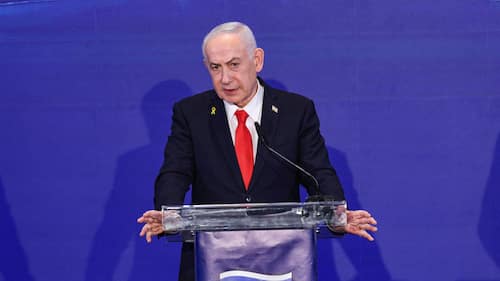
Israeli Prime Minister Benjamin Netanyahu has called for Israel to broaden its international alliances, naming India and countries in Latin America as potential partners, as he warned that a future US administration could adopt a less favourable approach towards the country.
Unveiling a new security doctrine ahead of Israel’s October 27 election, Netanyahu said his government must use the remaining two years of US President Donald Trump’s current term to strengthen Israel’s position while preparing for a possible change in Washington’s political leadership.
Netanyahu cautioned that Israel could not take continued American support for granted, arguing that the country needed to prepare for a president whose policies might be hostile to its interests.
“In two years, a President, man or woman, could come to power who is very hostile to Israel,” Netanyahu warned while speaking at a security event.
His remarks reflect longstanding tensions between the Israeli leader and previous Democratic administrations, particularly those of Barack Obama and Joe Biden.
Netanyahu has repeatedly clashed with Washington over policy differences and portrayed his willingness to challenge American presidents as necessary to protect Israel’s interests.
Netanyahu looks beyond Washington, names India as key partner
A key component of the proposed doctrine is to expand Israel’s diplomatic partnerships beyond the US, with India emerging as one of the countries Netanyahu identified as important to this effort.
“The second thing is to create other alliances… India is not a small country, and there are many others,” Netanyahu said, arguing for a wider network of international relationships.
He described India as a “major global power” and has repeatedly highlighted the close ties between the two countries. Stronger engagement with New Delhi, according to his approach, could help Israel strengthen its international standing and respond to efforts to isolate it diplomatically.
Netanyahu has also frequently spoken about his personal relationship with Prime Minister Narendra Modi and what he sees as strong public support for Israel in India.
“In India, there is an absolutely crazy love for Israel—truly crazy,” Netanyahu has said previously, adding that he believed he might have more social media followers in India than anywhere else.
His latest comments place India within a wider diplomatic push to diversify Israel’s partnerships and reduce its dependence on the political direction of the US.
While Washington remains Israel’s principal ally, Netanyahu’s warning suggests that he sees the possibility of a future shift in American policy as a strategic concern.
Latin America also features in alliance-building plans
Netanyahu’s proposed outreach is not limited to Asia. He also pointed to political developments in Latin America, suggesting that possible changes in leadership in countries such as Brazil could open avenues for closer relations with Israel.
The approach signals an effort to build ties with governments that may be more receptive to Israel’s diplomatic and security priorities as global political alignments evolve.
Although Netanyahu has not suggested that new partnerships would replace the US, his emphasis on building alternative alliances indicates that Israel wants a broader network of partners to fall back on if its relationship with Washington becomes more difficult.
Netanyahu’s rival questions security doctrine
The proposed doctrine has also triggered criticism at home, with opposition figures questioning its substance and accusing Netanyahu of using security concerns to strengthen his electoral position.
Gadi Eisenkot, a former chief of staff of the Israel Defence Forces and one of Netanyahu’s principal electoral rivals, dismissed the presentation as “two hollow pages full of slogans,” arguing that it lacked a meaningful strategy for addressing Israel’s security challenges.
The criticism has turned the doctrine into another point of contention in the run-up to the October 27 election.
While Netanyahu has presented the expansion of international alliances as a necessity in an uncertain global environment, Eisenkot has challenged the substance of the proposal.
The election will take place amid a wider debate over Israel’s security priorities, its diplomatic relationships and how the country should prepare for potential changes in the international support it receives.
Source: Firstpost