Ethiopia opens 600-tonne precious metals refinery as it targets Africa’s gold-processing business
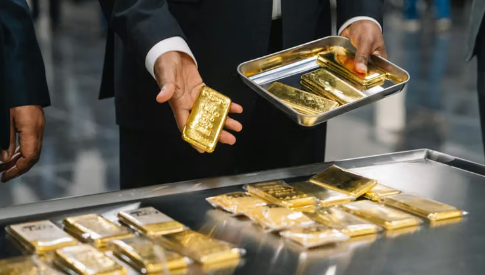
Prime Minister Abiy Ahmed inaugurated the National Precious Metals Refinery on 10 October at the Bole Lemi Special Economic Zone in Addis Ababa.
The facility was established through a partnership between Ethiopian Investment Holdings and Sam Precious Metals, a Dubai-headquartered company that also operates in Egypt.
It is designed to test precious metals, refine gold into export-ready bullion and manufacture cast and minted gold and silver bars. The stated annual capacity covers precious metals collectively, rather than gold alone.
According to the Ethiopian prime minister’s office, the refinery will support domestic processing, improve quality assurance and help establish Ethiopia as a regional centre for precious metals refining and manufacturing. The more-than-600-tonne figure applies at full capacity.
A bid for Africa’s gold business
Ethiopia’s ambition extends beyond handling gold extracted from its own mines.
The government says the facility can serve neighbouring countries and mining companies across Africa, providing refining, testing and certification before their metal reaches buyers.
That would give participating producers an African processing option instead of sending their gold outside the continent. Ethiopia could also earn income from refining other countries’ output.
Mining gold and preparing it for sale are separate stages of the business. Refining removes impurities, while testing establishes the precious metal content used to determine its value.
The new facility could support both bullion exports and jewellery manufacturing, two activities identified in the government’s announcement. However, the opening statements do not name regional customers or establish how much metal the refinery is currently handling.
An established refining partner
Sam Precious Metals already offers gold and silver refining, minting and testing services through its operations in Dubai and Cairo.
The company had previously identified the Ethiopian facility as part of its expansion into precious metals-producing countries. Its involvement gives the project a partner with an existing refining business and international commercial relationships.
For Ethiopia, the commercial challenge is now securing enough metal to use the plant’s capacity and persuading producers to bring their business to Addis Ababa.
The opening establishes the infrastructure for that ambition. Actual throughput, customer contracts and the facility’s international accreditation will determine how far it can expand Ethiopia’s role in Africa’s gold trade.
Source: Africabusinessinsider