Chinese gold giant failed to buy this African-focused miner for $3.9 billion; now its new Ethiopian mine is producing gold
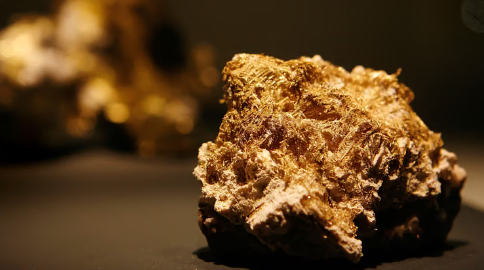
This new development is projected to help the company reach commercial operations before the end of 2026.
Allied Gold, which was once on the verge of being bought out by a Chinese miner, Zjin, is targeting full production capacity by early 2027, with gold recovery rates also expected to improve as operations progress.
Management and the Board of Directors commended the development and operations teams on this achievement, stating: “The project, operations, and in-country teams have done an outstanding job bringing Kurmuk from a greenfield site to its first gold pour.
It has been a privilege to see our Ethiopian and international teams working side by side in a spirit of cooperation and collaboration to make this milestone a reality.
We also recognize the strong support and collaboration of the Government of Ethiopia in advancing Kurmuk, which is among the first large-scale mechanized mines in the country.
This is a landmark development that supports the country’s ambition to establish a modern, large-scale mining industry.”
The company reported that it expects Kurmuk to produce between 25,000 and 35,000 ounces of gold in 2026.
Output is projected to rise to 55,000–65,000 ounces in the first quarter of 2027, before reaching 240,000–270,000 ounces for the full year.
By 2028, the mine is expected to produce around 300,000 ounces annually.
Allied is targeting a similar average during Kurmuk’s first four years of operation, although production is expected to average 240,000 ounces annually over the mine’s entire lifespan.
Back in, it was reported that Zijin Gold’s planned takeover of Allied Gold has been terminated, despite the fact that the Chinese miner still intended to invest about $295 million in the Canadian mining firm.
Zijin and Allied acquisition episode
China’s Zijin Gold abandoned its C$5.5 billion (approximately US$3.9 billion at announcement) acquisition of Allied Gold midway into the year.
The decision was reached after both parties determined that the remaining deal conditions could not be met within a reasonable timeframe.
Had the transaction been completed, control of Allied’s African gold assets, including active mines and development projects across Mali, Côte d’Ivoire, and Ethiopia, would have been transferred to the Chinese mining group.
Nevertheless, Zijin did not exit the arrangement entirely.
Under a separate agreement announced at the time, the Chinese miner agreed to invest approximately $295 million in Allied through a private placement.
Source: Africabusinessinsider